
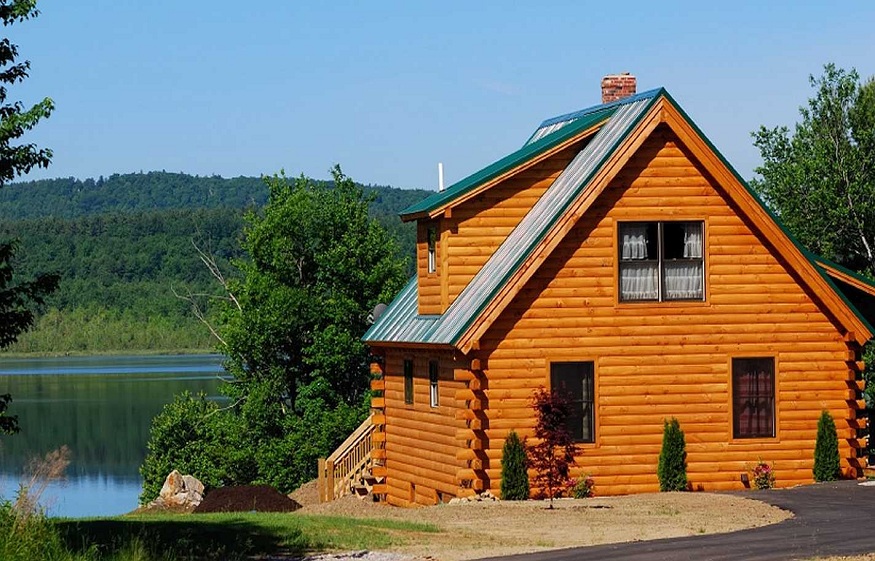
Shielding the Timber: How to Protect Your Lakefront Log Cabin From Weather Damage
Lakefront log cabins are constantly exposed to harsh conditions, including high humidity, strong winds, and intense sunlight, all of which contribute to the rapid deterioration of wood.Beautiful views and a relaxing escape can be had from a waterfront property, but being near a large body of water means a humid setting that slowly destroys exposed timber.
If the exterior of a log cabin is not properly maintained, it can lead to wood rot, insect infestations, and serious structural issues within a short period. To protect this valuable investment, it is essential to take a proactive approach, focusing on sealing the wood, managing moisture, and protecting the home from the elements.
-
Defeating the Multi-Directional Threat of Moisture and Rot
Water is the main cause of log decay. Lakefront properties face not only regular rain but also high humidity and water vapor rising from the lake. When the moisture level in the wood stays above 20%, it becomes a perfect environment for decay fungi, which weaken the wood and reduce its strength.
Read More: Residential Floating Docks: A Smart Investment for Boaters and Waterfront Owners in Miami FL
To prevent this, a high-quality, breathable exterior stain, specially made for log homes, should be applied. Unlike regular oil paint, log stains allow water vapor to escape from inside while preventing water from entering the surface. Every spring, check the chinking and caulking—flexible sealants between the logs—and replace any damaged or separated ones immediately to prevent water from entering the joints where rot often starts.
-
Countering the Accelerated Damage of Sun and Reflection
On lakefront log cabins, this damage is intensified because the water surface acts as a reflective mirror, bouncing UV rays onto the lower logs. This exposure causes the wood to fade, dry out, and develop vertical cracks known as checks. When these cracks form on the top curve of the logs, they act like small channels that collect rainwater and allow it to seep into the wood. To stop this cycle, use an exterior stain with strong UV protection and pigments that absorb and scatter UV light. For any upward-facing cracks wider than a quarter-inch, fill them with backer rod and flexible waterproof caulk to block future moisture entry.
-
Designing Smart Overhangs and Effective Roof Drainage
The design of your cabin plays a crucial role in its protection against the elements. Short roof overhangs leave the walls fully exposed to rain and sun. When maintaining or upgrading a lakefront cabin, ensure the roof has deep overhangs—ideally two to three feet on the sides and up to four feet on the gables—to keep most of the storm water away from the logs. Keep your gutters clean to manage rainwater effectively. Clogged gutters cause water to spill over and run down the sides of the home, splashing moisture and dirt onto the lower logs. Use wide downspouts to direct water at least five feet away from the foundation. Also, keep the bottom two rows of logs free from plants, bushes, and mulch, as these can trap moisture and attract wood-eating insects.
Read More: What You Should Know About Furniture Installation for Your Office
Conclusion
Protecting a lakefront log cabin requires ongoing efforts to guard against the harsh environment. By using UV-resistant stains, keeping flexible seals intact, ensuring proper drainage, and defending against strong winds, you can slow the natural process of wood aging. By following these maintenance steps, you ensure the wood remains strong and durable, allowing you to enjoy the beauty of lake living without worrying about costly repairs. With the right care, your log cabin will remain a sturdy, long-lasting retreat for many generations.