How Modern Workspaces Are Evolving with Visual Technology at the Core
The modern workspace is undergoing a dramatic shift. From the layout of offices to the technologies embedded within them, businesses are rethinking how their environments can support productivity, collaboration, and culture. Central to this transformation is the use of visual technology, which has become more than just a tool, it is now a foundational element of workplace strategy.
At the heart of this evolution is a need to better connect people, regardless of location. With hybrid work becoming the norm, the role of the physical office has shifted from a place of mandatory attendance to one of meaningful engagement. Employees no longer go to the office just to work. They go to collaborate, to share ideas, and to experience the kind of dynamic interaction that video calls alone cannot offer. Visual technology is facilitating this transition in surprisingly nuanced ways.
From Static Spaces to Dynamic Environments
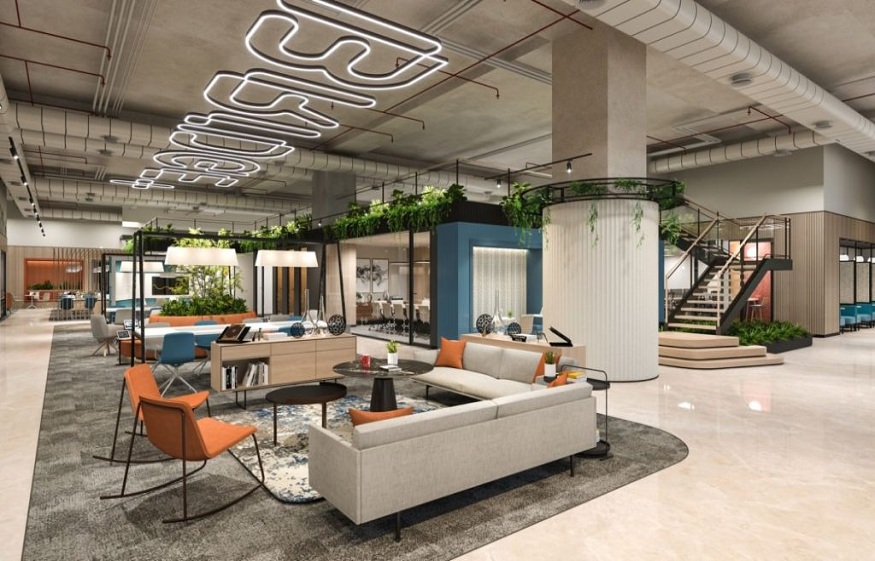
Traditional office designs prioritised cubicles, filing cabinets, and desktops. Today’s workspaces favour open plans, modular furniture, and areas designed for both focused and group work. Yet even more transformative than the furniture is what appears on the walls.
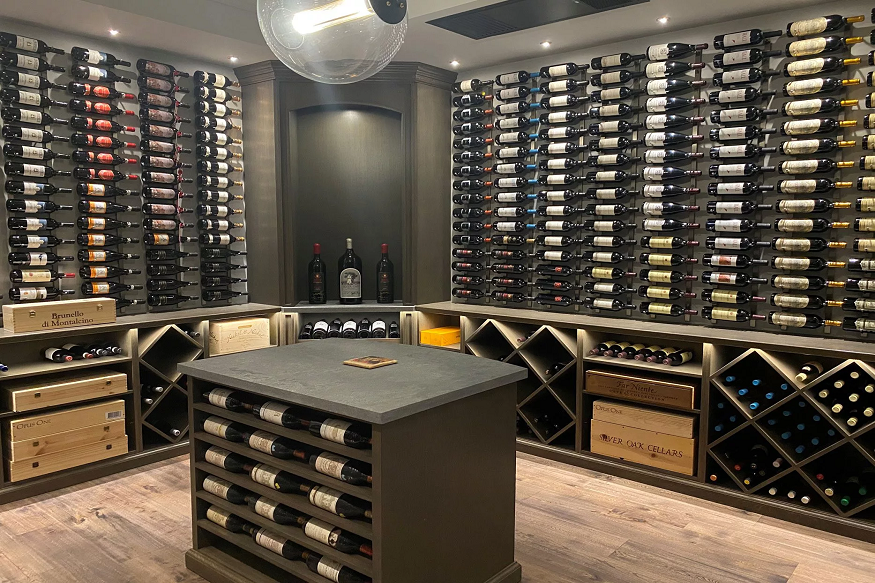
Read More: Save Big When You Buy VintageView Wine Racks Online
Interactive screens, touch displays, and real-time content boards are replacing static posters and bulletin boards. These tools are not only eye-catching but also functional. They can present live company updates, KPI dashboards, calendars, and even social content, all in one centralised location. Such visual platforms foster a culture of transparency and immediate access to information.
In client-facing areas, visual installations make a lasting impression. Whether in a corporate lobby or a shared meeting zone, these installations help tell a brand’s story in a way that static branding never could.
The Rise of Multi-Sensory Communication
Workplace communication is no longer limited to email chains and printed memos. With the influx of Millennial and Gen Z professionals, expectations for engaging, tech-driven environments have increased. These workers grew up with screens and social media. Their perception of information is shaped not just by what is said but by how it is displayed.
This shift has prompted many businesses to incorporate rich media into their internal communications. High-resolution videos, animated infographics, and live-streamed announcements allow leaders to reach employees in more impactful ways. These mediums are more memorable and more effective in encouraging action, especially when compared to traditional email blasts.
Moreover, this approach is inclusive. Visual content can transcend language and accessibility barriers. For global teams or those with neurodiverse members, visual-first communication offers clarity, consistency, and broader engagement.
Creating Agile Spaces with Technology
Agility is no longer a buzzword. It is a requirement. Businesses must be able to adapt their environments at a moment’s notice, whether for a team project, a client pitch, or an impromptu brainstorming session. This need has led to a surge in modular workspaces enhanced by technology.
Screens are being mounted on mobile stands. Presentation areas are being equipped with plug-and-play capabilities. Conference rooms now feature integrated systems that allow remote and in-person teams to collaborate without friction. This kind of setup enables a workspace to become whatever it needs to be in real time.
One compelling example of such agility is the increasing use of digital signage. More than just a display tool, digital signage offers dynamic content management, real-time updates, and cross-location synchronisation. It is being used for everything from internal training to wayfinding, from showcasing team achievements to managing emergency communications. Its versatility makes it an essential component of any future-ready workspace.
Supporting Wellbeing Through Environmental Design
There is a growing awareness that the physical environment has a direct impact on mental health, job satisfaction, and overall wellbeing. Light, sound, temperature, and visual stimulation all play a part. Employers are beginning to take this seriously, and visual technology is helping lead the charge.
Mood-responsive lighting, calming digital landscapes, and wellness-oriented content displays are becoming standard features in progressive office design. These elements not only make the workspace more appealing but also reduce stress, improve focus, and support a healthier work-life balance.
For instance, visual break zones that display tranquil nature scenes or ambient animations can help employees recharge during the day. Real-time energy dashboards that show how the building is conserving power add a layer of eco-conscious transparency. These are subtle additions with significant impact.
Driving Cultural Alignment and Innovation
Visual technology also serves a deeper organisational purpose. It helps align employees with company goals, values, and culture. A shared visual language, reinforced through strategically placed digital content, ensures that everyone is on the same page.
Celebrating milestones, highlighting success stories, and featuring diverse voices from within the company all become part of the daily narrative. When delivered through high-impact visuals, these messages stick.
In environments where innovation is key, such as creative agencies or tech firms, visual tools can also foster experimentation. Interactive whiteboards, rapid prototyping stations, and mixed-reality interfaces encourage spontaneous idea generation and creative thinking.
Future-Proofing the Workplace
As technology continues to evolve, so too will the expectations placed on the workplace. Artificial intelligence, real-time data visualisation, and immersive media are already beginning to shape the next chapter of the office experience. Visual technology will not just be a feature of the workplace;it will be its backbone.
Organisations that embrace this reality early are likely to see gains in everything from talent attraction to operational efficiency. Those that delay may struggle to keep pace with employee expectations and market demands.
The modern workspace is no longer just a location. It is a living, breathing environment shaped by the people within it and the technologies that support them. And at the core of this evolution lies the power of visual technology.
Read More: When the Water Stops Flowing: A Practical Guide to Well Pump Repair and System Health
For wider commercial, hospitality, or public-facing projects, small supporting details can make the finished space feel more complete. Composite decking can provide a durable, low-maintenance surface for terraces, entrances, outdoor seating areas, and customer-facing spaces; while hand dryers can support cleaner, more efficient washroom facilities; while traditional signage can add character, direction, and brand presence.