Top 10 Air Conditioner Problems and Simple Ways to Prevent Them
Air conditioners work hard, often running for hours on the hottest days of the year. Because they contain moving parts, electrical components, and refrigerant under pressure, wear and tear is inevitable. Understanding the most common air conditioner problems helps you spot trouble early, avoid costly breakdowns, and keep your home comfortable all season long.
The good news? Most issues are preventable. With routine care and a little basic air conditioner troubleshooting, you can extend your system’s lifespan and lower your energy bills. Below, we break down ten frequent problems, their warning signs, and practical steps to keep your AC running smoothly.
The 10 Most Common AC Problems
1. Dirty Air Filters
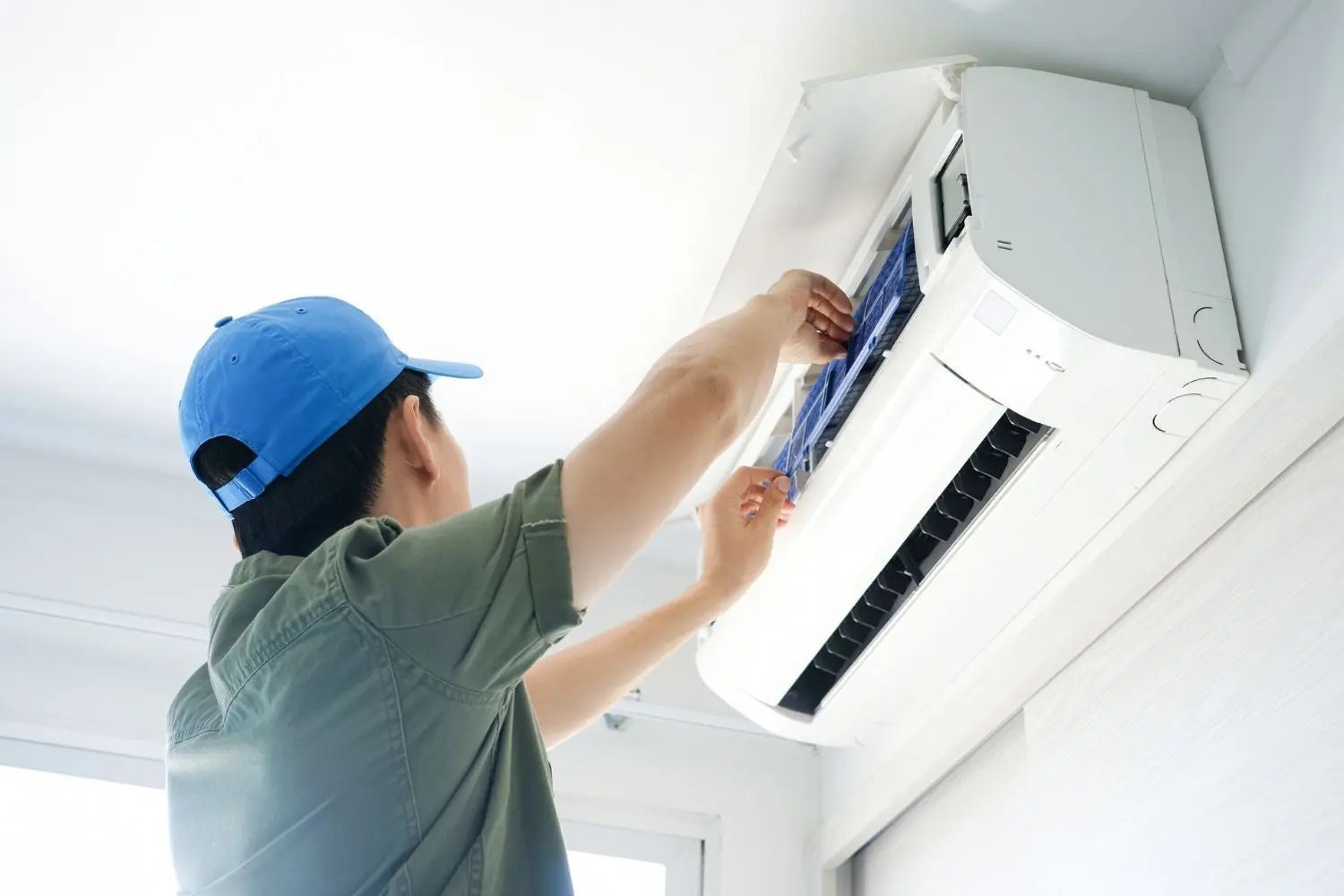
A clogged filter is the leading cause of a poorly performing AC. Dust and debris restrict airflow, forcing the system to work harder.
- Warning signs: Weak airflow, rising energy bills, uneven cooling.
- Prevention: Replace or clean filters every 30-90 days.
- Call a pro if: Cooling stays weak after a fresh filter.
2. Refrigerant Leaks
Leaks usually develop at coils or connections.
- Warning signs: Warm air, hissing sounds, ice on the lines.
- Prevention: Schedule annual inspections to catch leaks early.
- Call a pro if: You suspect a leak, refrigerant handling requires a certified technician.
3. Frozen Evaporator Coils
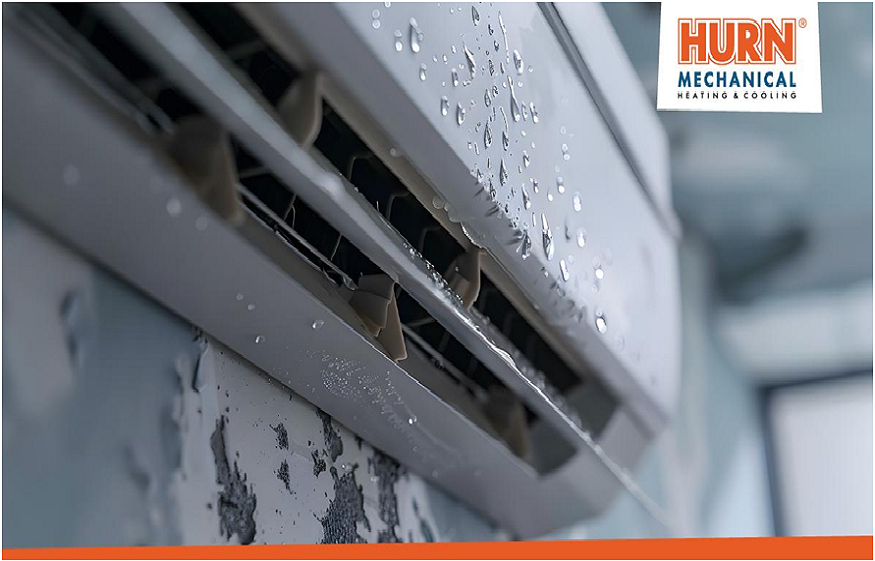
When airflow drops or refrigerant runs low, coils can freeze and block cooling entirely.
- Warning signs: Visible ice, water pooling, no cold air.
- Prevention: Keep filters clean and vents unblocked.
- Call a pro if: Coils refreeze after thawing.
4. Faulty Thermostat
Sometimes the AC is fine, but the thermostat sends the wrong signals.
- Warning signs: System won’t turn on, short cycling, incorrect temperatures.
- Prevention: Replace batteries and keep the thermostat away from heat sources.
- Call a pro if: Recalibration or wiring seems off.
5. Clogged Condensate Drain
Algae and dirt can block the drain line, causing water to back up.
- Warning signs: Water near the indoor unit, musty odors, humidity indoors.
- Prevention: Flush the drain line periodically with vinegar.
- Call a pro if: Water damage or persistent clogs appear.
6. Dirty Condenser Coils
The outdoor coils release heat. When coated in dirt, they can’t do their job.
- Warning signs: Long run times, overheating, high bills.
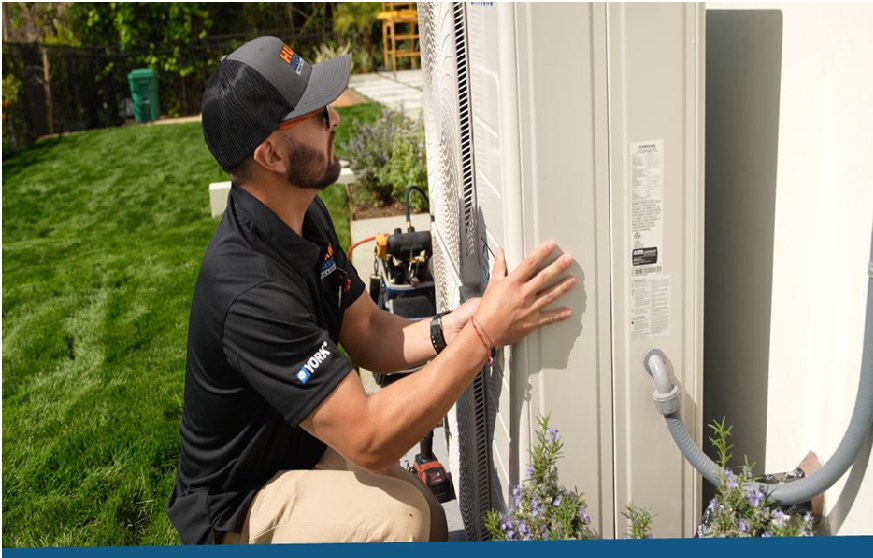
- Prevention: Clear leaves and debris; rinse coils gently.
- Call a pro if: Coils need deep cleaning or the unit overheats.
7. Electrical Issues
Loose wiring, tripped breakers, and corroded connections are frequent culprits when your AC is not working.
- Warning signs: System won’t start, repeated breaker trips, burning smell.
- Prevention: Avoid overloading circuits; schedule electrical checkups.
- Call a pro if: Any electrical fault appears, never DIY wiring repairs.
8. Capacitor or Compressor Problems
The compressor is the heart of your system, and the capacitor helps it start. Both fail over time.
- Warning signs: Humming, clicking, or the unit tripping repeatedly.
- Prevention: Keep the system clean and address strain early.
- Call a pro if: You suspect either component, these are expensive to ignore.
9. Weak Airflow
Poor airflow points to blocked ducts, a failing blower, or dirty filters.
- Warning signs: Certain rooms stay warm, faint air from vents.
- Prevention: Keep vents open and ducts sealed.
- Call a pro if: Airflow stays weak after basic checks.
10. Strange Noises or Odors
Unusual sounds and smells are early red flags worth investigating.
- Warning signs: Grinding, squealing, burning, or musty smells.
- Prevention: Address noises quickly before parts fail completely.
- Call a pro if: Odors are electrical or noises are loud and sudden.
Preventive Maintenance Tips
Consistent care is the best way to prevent air conditioner problems before they disrupt your comfort. A simple routine goes a long way toward reliable, efficient cooling.
- Replace air filters every 1-3 months.
- Schedule a professional tune-up once a year, ideally in spring.
- Keep the outdoor unit clear of plants, leaves, and debris.
- Flush the condensate drain line each season.
- Check that vents and registers stay unobstructed.
- Listen for new noises and act on them quickly.
These small habits reduce strain on your system, lower energy costs, and help you avoid emergency AC repair calls during peak summer heat.
Conclusion
Most common air conditioner problems share a single root cause: neglected maintenance. Dirty filters, blocked drains, and dusty coils quietly build up until performance suffers. By staying alert to warning signs and following simple prevention steps, you can catch minor issues before they become major repairs.
When troubleshooting reaches its limits especially with refrigerant, electrical, or compressor concerns, it’s wise to bring in a qualified technician. Trusted professionals like the team at Hurn Mechanical can diagnose deeper problems safely and keep your system running efficiently for years to come.
Frequently Asked Questions
Why is my AC not working but the fan is running?
This usually points to a refrigerant issue, a frozen coil, or a compressor or capacitor fault. The fan can run while the cooling components fail, so warm air keeps blowing. If a filter change and thermostat check don’t help, contact a professional.
How often should I service my air conditioner?
You should service your air conditioner at least once a year, ideally in spring before heavy use. Annual tune-ups catch small problems early, maintain efficiency, and extend the system’s lifespan.
What are the first signs of air conditioner problems?
Early signs include weak airflow, warm air, rising energy bills, unusual noises, and strange odors. Water near the indoor unit or short cycling also signals trouble. Addressing these quickly prevents larger, costlier repairs.