Elevating Architecture: The Comprehensive Guide to Wall Panel Siding for Modern Structures
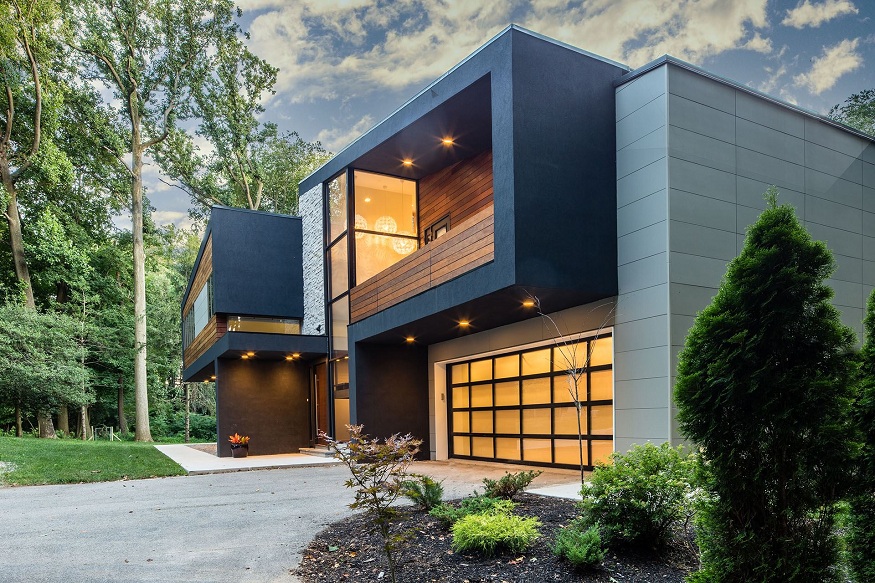
The exterior of a building serves as its first impression, its primary defense against the elements, and a significant factor in its overall market value. In recent years, both residential homeowners and commercial developers have moved away from traditional materials like brick and mortar or standard wood lap siding in favor of more advanced solutions. Nichiha Wall Panel Siding has emerged as a frontrunner in the construction industry, offering a sophisticated blend of aesthetic versatility and high-performance engineering. Whether applied to a sleek corporate headquarters or a cozy contemporary home, these systems provide a range of benefits that extend far beyond mere surface-level beauty.
Superior Durability and Weather Resistance
One of the most compelling reasons to choose wall panel siding is its exceptional ability to withstand harsh environmental conditions. Unlike traditional wood, which is susceptible to rot, warping, and insect damage, modern wall panels are often constructed from robust materials such as fiber cement, metal, or high-density composites. These materials are engineered to resist moisture penetration, which is the leading cause of structural degradation in buildings. By creating a tight, cohesive barrier, panel systems ensure that the underlying structure remains dry and secure even during periods of heavy rain or high humidity.
In addition to moisture resistance, wall panels are designed to endure extreme temperature fluctuations. In regions that experience harsh winters and scorching summers, materials like metal or stone veneer panels maintain their structural integrity without cracking or expanding excessively. Many commercial-grade panels also come with high fire ratings, providing an extra layer of safety that is particularly crucial in densely populated urban areas. This long-term resilience means that the building remains protected for decades, reducing the need for costly structural repairs and giving property owners peace of mind.
Enhanced Energy Efficiency and Thermal Performance
In an era where sustainability and energy costs are top priorities, the insulating properties of wall panel systems cannot be overlooked. Many modern paneling solutions are designed to work in tandem with continuous insulation layers. By minimizing thermal bridging—the process where heat escapes through the studs and frames of a building—wall panels help maintain a consistent indoor temperature. This reduces the workload on heating and cooling systems, leading to significantly lower utility bills for both residential families and large-scale commercial tenants.
Some specific types of cladding, such as insulated metal panels, feature a foam core sandwiched between two metal sheets, providing impressive R-values in a single, lightweight component. This integrated approach to insulation not only saves money on energy but also simplifies the construction process. By keeping the heat out during the summer and trapping it inside during the winter, these systems contribute to a more comfortable living and working environment while reducing the overall carbon footprint of the building.
Aesthetic Versatility and Architectural Freedom
Perhaps the most visible benefit of wall panel siding is the incredible range of design options it offers. Modern manufacturing techniques allow panels to mimic almost any texture, including natural wood, polished stone, industrial concrete, or sleek metallic surfaces. This allows architects to achieve high-end looks without the weight, cost, or maintenance drawbacks of the actual raw materials. Panels can be installed horizontally, vertically, or even in geometric patterns to create unique visual interest and shadow lines.
In the commercial sector, wall panels allow for a clean, professional appearance that can be customized to match corporate branding or modern architectural trends. Large-format panels provide a seamless, minimalist aesthetic that is highly sought after in contemporary design. For residential projects, panels can be used to create accent walls or to completely modernize an older home, giving it a sophisticated edge that stands out in the neighborhood. The ability to mix and match different textures and colors gives designers the freedom to experiment and create truly bespoke structures.
Contributing to Sustainable Building Practices
Finally, wall panel siding aligns well with the growing demand for green building practices. Many manufacturers now use recycled content in their panels, such as reclaimed steel or aluminum, and the longevity of the product means that less material ends up in landfills over the life of the building. Additionally, because these systems are often precision-engineered and cut to size in a factory setting, there is much less waste produced on the construction site compared to traditional methods.
The improved thermal envelope provided by these panels also helps buildings qualify for various green certifications, such as LEED. By choosing materials that are durable, recyclable, and energy-efficient, developers and homeowners are making a conscious choice to support a more sustainable future. As building codes continue to evolve toward higher efficiency standards, wall panel systems provide a future-proof solution that meets both current and upcoming environmental requirements.