The Hearth Outdoors: How to Maintain and Clean Your Outdoor Gas Oven for Long Life
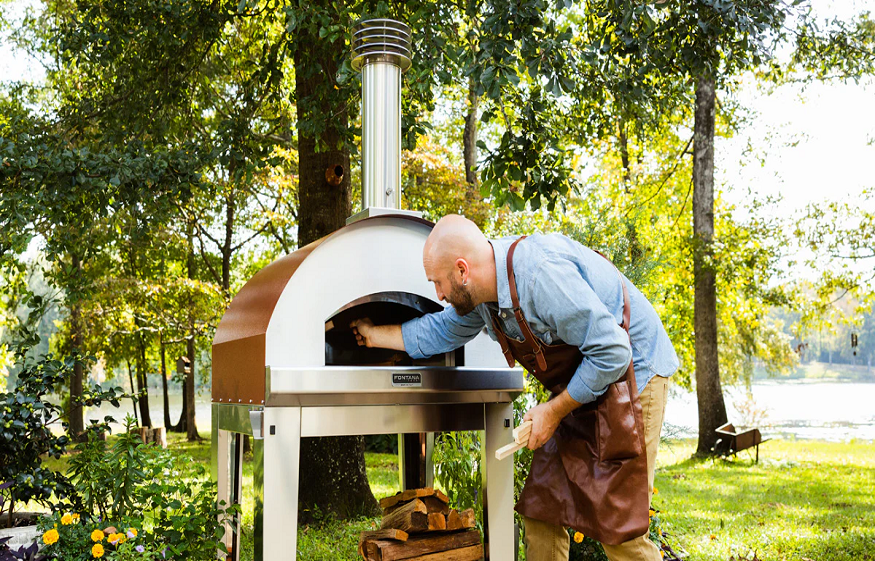
An outdoor gas oven is a fantastic addition to any backyard, transforming simple grilling into gourmet outdoor cooking. Capable of baking pizzas, roasting meats, and crafting artisan breads, these ovens bring the flexibility and precision of an indoor kitchen into the open air. However, unlike a standard grill, a gas oven is a finely tuned appliance with specialized components—including burners, ignition systems, and insulated chambers—that demand a specific maintenance routine. Neglecting this care can lead to poor performance, inefficiency, and a drastically shortened lifespan. To ensure your outdoor Italian outdoor gas ovens remains a reliable cornerstone of your outdoor kitchen for years to come, a consistent and correct regimen of cleaning and maintenance is essential.
The key to longevity for any outdoor appliance is protection from the elements and a rigorous internal cleaning schedule. Since gas ovens are often exposed to varying weather, their construction relies on durable materials, but rain, humidity, dust, and temperature fluctuations take a constant toll. By focusing on both the exterior shell and the intricate gas and heating components, you can preemptively address the factors that lead to rust, clogs, and reduced heating efficiency.
External Protection and Rust Prevention
The first line of defense for your outdoor gas oven is its exterior shell and structural components. Exposure to rain and high humidity is the leading cause of corrosion, which can compromise the integrity of the oven’s metal casing and lead to expensive structural repairs.
Use a Quality Cover: The most important maintenance step is ensuring the oven is protected when not in use. Invest in a heavy-duty, weather-resistant cover specifically designed for your oven model. The cover should be breathable to prevent moisture and condensation from building up underneath, which can accelerate mold growth and rust. Do not cover a hot oven; allow it to cool completely before covering to avoid heat damage to the cover itself.
Regular Exterior Cleaning: Clean the exterior casing regularly, especially if you live near the coast where salt air is present, or in areas with high pollution. Use a mild soap and water solution and a soft cloth to wipe down the exterior. For stainless steel finishes, always wipe in the direction of the grain to prevent scratching, and use a specialized stainless steel cleaner and polish to maintain its shine and provide a protective barrier against moisture. Check all bolts, screws, and hardware for signs of surface rust, and address them promptly with a metal protector or touch-up paint specifically rated for high heat if necessary.
Internal Cleaning: Managing Carbon and Grease
The oven’s interior, particularly the cooking surfaces and the heating elements, accumulates carbonized food remnants, grease, and soot. This buildup not only creates smoke and off-flavors but also absorbs heat, reducing the oven’s efficiency and potentially blocking burner ports.
The High-Heat Cleanse: Gas ovens can often be partially self-cleaning. After use, once the food is removed, close the oven and let it run on high heat for 15 to 30 minutes. This will carbonize most residual grease and food particles on the interior walls and stone. Once the oven is cool, use a stiff brass-bristle brush (never steel wire, which can leave residues that rust) to scrub the interior walls and floor, scraping the burnt material away.
Cleaning the Stone/Hearth: If your oven has a ceramic or stone cooking surface, avoid using soap and water, as the stone is porous and can absorb moisture and detergent residue, which will release steam and odor the next time you cook. The high-heat cleanses and brushing should suffice. For stubborn spots, a flat metal scraper can be used gently. If there are spills, scrape away the residue and let the oven run on high to burn off the rest.
Conclusion: A Schedule for Gourmet Grilling
Maintaining an outdoor gas oven is a commitment to a premium cooking experience. By adhering to a comprehensive maintenance schedule—including regular exterior protection, high-heat self-cleaning, meticulous inspection of the gas system, and ensuring clear airflow—you eliminate the most common culprits of wear and failure. This proactive approach not only extends the functional life of your expensive appliance but guarantees that every pizza baked and every roast prepared meets the high standard of performance you expect. Treat your outdoor oven with diligence, and it will reward you with years of delicious, hassle-free outdoor culinary adventures.