The Ultimate Guide to Choosing a 90cm Cooker Hood for a Modern Kitchen
A well-designed kitchen is not only about stylish cabinets and high-end appliances; it is also about maintaining a clean and comfortable cooking environment. One of the most essential appliances for achieving this is a 90cm cooker hood. Whether you cook occasionally or prepare meals daily, a cooker hood helps remove smoke, grease, steam, and unwanted odors from your kitchen.
In this comprehensive guide, we will explore what a 90cm cooker hood is, why it is important, the types available, and how to choose the best one for your kitchen.
What Is a 90cm Cooker Hood?
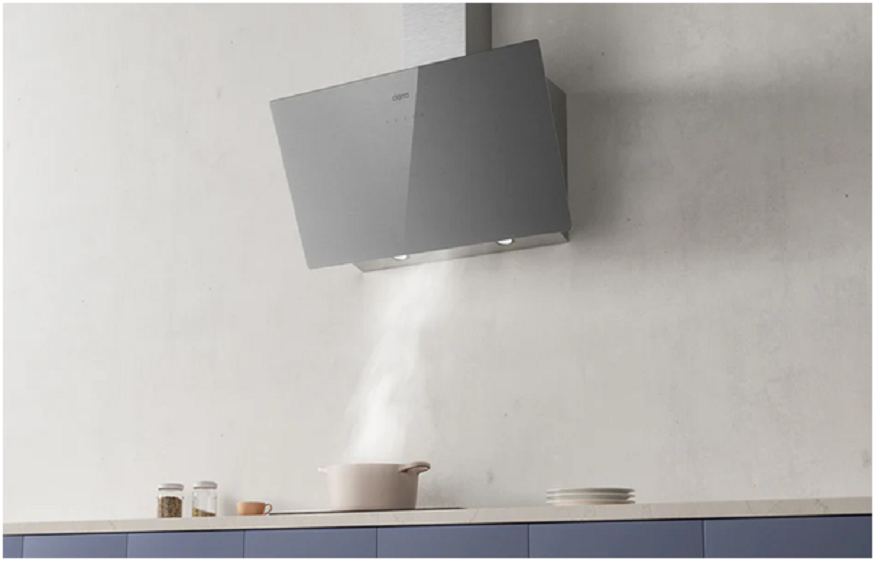
A 90cm cooker hood is a kitchen ventilation appliance designed to be installed above a 90-centimeter-wide hob or cooktop. Its primary purpose is to extract airborne grease, smoke, steam, and cooking odors that are produced during cooking.
Read More: Top 5 Signs Your Sub-Zero Fridge Needs Repair (And Why You Shouldn’t Wait)
These cooker hoods typically use powerful fans and filtration systems to either extract air outside your home or recirculate it back into the kitchen after filtering it. Because of their wide coverage, they are ideal for large cooktops and busy kitchens.
Why a Cooker Hood Is Essential for Your Kitchen
Many homeowners underestimate the importance of a good cooker hood, but it plays a vital role in maintaining both cleanliness and air quality.
1. Removes Cooking Odors
Cooking with spices, oils, and strong ingredients can produce persistent smells. A cooker hood captures these odors and removes them before they spread throughout your home.
2. Improves Air Quality
Smoke and grease particles can affect indoor air quality. A cooker hood filters these particles, making your kitchen environment healthier.
3. Prevents Grease Buildup
Without proper ventilation, grease can settle on cabinets, walls, and ceilings. Over time, this buildup becomes difficult to clean. A cooker hood captures grease before it spreads.
4. Reduces Heat and Steam
Cooking produces heat and steam, which can make your kitchen uncomfortable. A good ventilation system helps keep the temperature under control.
Types of 90cm Cooker Hoods
There are several types of cooker hoods available, each suited to different kitchen layouts and design preferences.
1. Wall-Mounted Cooker Hoods
Wall-mounted hoods are installed directly on the wall above the cooktop. They are one of the most common types and often feature stylish designs that can become a focal point in the kitchen.
These hoods typically offer strong extraction power and are available in both modern and traditional styles.
2. Island Cooker Hoods
If your cooktop is located on a kitchen island, an island cooker hood is the ideal choice. These hoods hang from the ceiling and provide ventilation for island cooking areas.
Island hoods are usually more powerful because they must capture smoke and steam from an open cooking space.
3. Chimney Cooker Hoods
Chimney-style cooker hoods feature a tall chimney section that hides the ventilation duct. They combine strong performance with a sleek aesthetic that fits well in contemporary kitchens.
Many modern kitchens prefer this style because it offers both functionality and visual appeal.
4. Integrated Cooker Hoods
Integrated hoods are built into kitchen cabinets, making them nearly invisible. They are ideal for minimalist kitchens where homeowners want appliances hidden from view.
Although compact, many integrated models still offer strong extraction capabilities.
Key Features to Look for in a 90cm Cooker Hood
When selecting the best cooker hood for your kitchen, several features should be considered.
Extraction Power
Extraction power determines how effectively the hood removes smoke and odors. It is usually measured in cubic meters per hour (m³/h). For larger kitchens or heavy cooking, a higher extraction rate is recommended.
Noise Level
Cooker hoods operate using fans, which can generate noise. Modern models are designed to operate quietly while still delivering powerful performance.
Filter Types
Most cooker hoods use two types of filters:
- Grease filters that capture oil and grease particles
- Carbon filters that remove odors in recirculating models
Some filters are washable and reusable, while others need periodic replacement.
Lighting
Many cooker hoods include built-in LED lights that illuminate the cooking area. Good lighting improves visibility and enhances the cooking experience.
Design and Style
Since the cooker hood is a visible kitchen appliance, its design should complement your kitchen décor. Stainless steel, black glass, and matte finishes are popular choices.
Some manufacturers, such as Ciarra, offer stylish and efficient cooker hoods that combine modern design with practical features, making them a popular option for contemporary kitchens.
Ducted vs. Recirculating Cooker Hoods
When installing a cooker hood, you will need to choose between two ventilation methods.
Ducted Cooker Hoods
Ducted hoods extract air from the kitchen and vent it outside through ductwork. This method is the most effective because it completely removes smoke, grease, and odors.
However, installation may require additional ducting and wall or ceiling vents.
Recirculating Cooker Hoods
Recirculating hoods filter the air through carbon filters and release it back into the kitchen. They are easier to install and do not require external ducting.
While slightly less powerful than ducted systems, modern recirculating hoods still provide excellent performance for most kitchens.
Installation Tips
Proper installation is essential for maximizing the performance of your cooker hood.
Correct Height Placement
The cooker hood should be installed at the recommended height above the cooktop. This is usually between 65 cm and 75 cm, depending on the type of hob.
Ensure Proper Ventilation
If you are installing a ducted hood, ensure the duct path is as short and straight as possible to maintain airflow efficiency.
Professional Installation
Although some homeowners install cooker hoods themselves, professional installation ensures correct setup, electrical safety, and optimal performance.
Maintenance and Cleaning
Regular maintenance keeps your cooker hood working efficiently and extends its lifespan.
Clean Grease Filters
Grease filters should be cleaned every few weeks, depending on how often you cook. Many filters can be washed in the dishwasher.
Replace Carbon Filters
If your cooker hood uses carbon filters, they should be replaced every few months to maintain effective odor removal.
Wipe Exterior Surfaces
Cooking oils and dust can accumulate on the exterior surface. Cleaning with a soft cloth and mild detergent helps maintain the hood’s appearance.
Energy Efficiency
Modern cooker hoods are designed to be energy efficient while still providing strong extraction power. LED lighting and efficient motors help reduce electricity consumption.
Read More: Complete Guide to Steel Gas Chulhas: Types, Efficiency, and Modern Kitchen Appeal
Choosing an energy-efficient model can help lower household energy costs while reducing environmental impact.
Final Thoughts
A 90cm cooker hood is an essential appliance for any modern kitchen. It keeps the air clean, prevents grease buildup, and creates a more comfortable cooking environment.
With a wide variety of designs, features, and installation options available, homeowners can easily find a cooker hood that suits both their kitchen layout and personal style. By considering factors such as extraction power, noise level, filter type, and installation method, you can choose the perfect cooker hood to enhance your kitchen experience.
Investing in a high-quality cooker hood not only improves kitchen hygiene but also adds a professional touch to your cooking space, making every meal preparation more enjoyable.