
When the Water Stops Flowing: A Practical Guide to Well Pump Repair and System Health
For homes that rely on a private well, the well pump is one of the most important pieces of equipment on the property. It works quietly in the background, delivering clean water for drinking, bathing, cooking, and everyday household tasks. When it starts to fail, the disruption is immediate and often stressful. Understanding how well pump systems work, what can go wrong, and when professional well pump repair is needed can help homeowners respond quickly and protect their water supply.
How a Well Pump System Works
A well pump’s job is simple in concept but critical in function. It draws water from underground and delivers it into the home’s plumbing system. Most systems include three main components: the pump itself, pressure controls, and a storage tank.
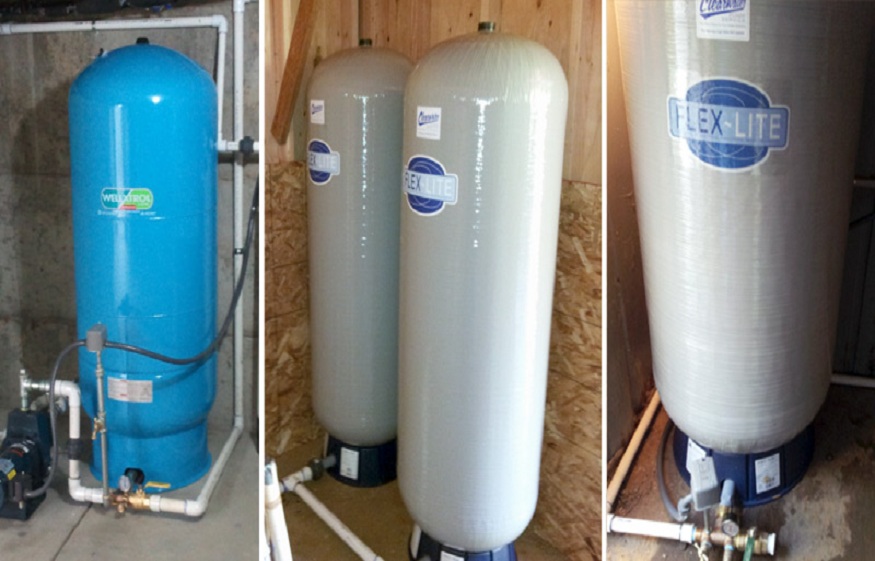
The water tank for wells plays an essential role by storing pressurized water so the pump does not need to run every time a faucet is opened. This helps regulate pressure, reduce wear on the pump, and provide a steady flow of water throughout the home. When any part of this system is not functioning correctly, water pressure issues or complete water loss can occur.
Common Signs That Well Pump Repair Is Needed
Well pump problems rarely appear without warning. In many cases, small symptoms show up days or weeks before a complete failure.
Some of the most common signs include inconsistent water pressure, sputtering faucets, unusual noises coming from the pump or pressure tank, and sudden increases in electric bills. A pump that runs constantly or turns on and off rapidly may also indicate an issue with the pressure system or the water tank for wells.
Addressing these warning signs early can prevent more serious damage and reduce repair costs.
Causes of Well Pump Problems
Several factors can lead to pump failure or performance issues. Electrical problems are common, including faulty wiring, damaged control boxes, or tripped breakers. Mechanical wear is another frequent cause, especially in older systems that have been in service for many years.
Sediment buildup in the well can strain the pump, reducing efficiency and shortening its lifespan. Pressure tank issues, such as a failed bladder or incorrect pressure settings, can also mimic pump problems, making an accurate diagnosis essential before starting well pump repair.
The Role of the Water Tank in System Performance
The water tank for wells is often overlooked until something goes wrong. However, it plays a major role in protecting the pump and maintaining consistent water pressure.
A properly functioning tank stores water under pressure, allowing small water demands to be met without activating the pump. If the tank is waterlogged or the internal bladder fails, the pump may cycle too frequently. This rapid cycling increases wear and can lead to premature pump failure.
Regular inspection and maintenance of the tank can extend the life of the entire well system.
DIY Troubleshooting Versus Professional Repair
When water problems arise, many homeowners wonder whether they can fix the issue themselves. Basic checks, such as verifying power supply, inspecting visible wiring, and checking pressure gauge readings, can be done safely by most homeowners.
However, deeper well pump repair often requires specialized tools and experience. Submersible pumps, in particular, are installed deep within the well and must be pulled out for inspection or replacement. Attempting complex repairs without proper equipment can be dangerous and may cause further damage to the system.
Knowing when to call a professional can save time, money, and frustration.
Preventive Maintenance for Long-Term Reliability
Preventive maintenance is one of the most effective ways to avoid unexpected pump failures. Regular system inspections help identify small issues before they escalate into major repairs.
Maintenance tasks may include checking pressure settings, inspecting electrical components, testing the pressure tank, and monitoring water quality. Sediment or changes in water clarity can signal developing problems within the well or pump.
By investing in routine maintenance, homeowners can reduce the likelihood of emergency well pump repair and extend the overall lifespan of the system.
How Water Quality Affects Pump Performance
Water quality has a direct impact on pump health. High mineral content, sand, or debris in the water can accelerate wear on internal pump components.
Over time, this abrasive material can reduce efficiency and increase the risk of mechanical failure. Filtration systems and periodic well inspections can help manage these issues and protect both the pump and the water tank for wells.
Clean water is not only important for household use but also for preserving the integrity of the well system itself.
Repair or Replacement: Making the Right Decision
When a pump fails, homeowners are often faced with the decision to repair or replace it. The right choice depends on several factors, including the age of the pump, the extent of the damage, and overall system condition.
If a pump is relatively new and the issue is minor, well pump repair may be the most cost-effective option. Older pumps with recurring problems may be better candidates for replacement, especially if efficiency has declined or parts are difficult to source.
A professional assessment can help determine which option provides the best long-term value.
Protecting Your Water Supply for the Future
A reliable well system is essential for comfort and peace of mind. Understanding how the pump and pressure tank work together empowers homeowners to recognize problems early and take action when needed.
By staying alert to warning signs, maintaining the water tank for wells, and scheduling regular inspections, homeowners can minimize disruptions and avoid costly emergencies. Well pump repair is not just about restoring water flow; it is about protecting a critical resource that supports everyday life.
Well pump systems are designed to last, but they require attention and care to perform reliably over time. When issues arise, timely well pump repair can prevent further damage and restore dependable water access.
With proper maintenance, informed decision-making, and a focus on system health, homeowners can ensure their well continues to deliver clean, consistent water for years to come.